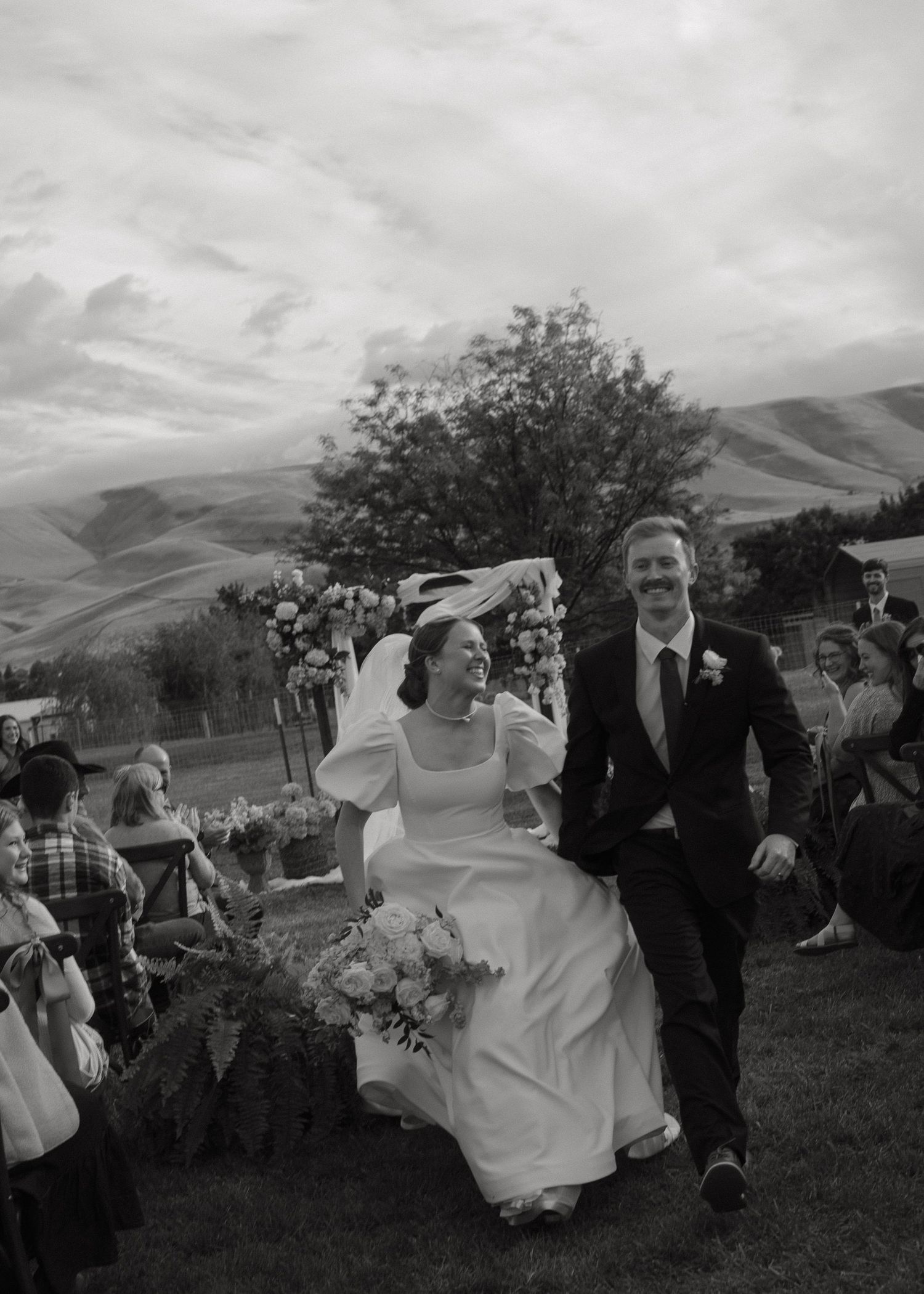
Planning a wedding timeline can feel overwhelming… especially when you’re trying to fit in everything you want without feeling rushed or stressed. As a wedding photographer (+ videographer husband & wife team), we’ve seen tonsss of timelines in action — and when they’re planned well, the entire day feels smoother, calmer, and way more enjoyable.
Here’s a guide to building a timeline that keeps your day intentional, unrushed, and ready for good photos.
1. Start With What Matters Most
Before you even open a timeline template, ask yourself:
What moments are non-negotiable? What do you want to feel on your wedding day? Where do you want the majority of your time spent?
If family photos are a priority → build a cushion for them.
If you want slow, calm getting-ready time → start earlier.
If partying is the priority → ceremony earlier, reception longer.
Your timeline should support your values, not the other way around.
2. Getting Ready: The “Secret Buffer” Zone
Give yourself more time here than you think.
Recommended Time:
Hair + makeup finished 30–45 minutes before getting dressed. 15 minutes to breathe, touch up, snack/drink water. 30 minutes for details + candid getting-ready photos.
This is where people feel the most rushed.
That buffer? It’s the difference between feeling flustered and feeling peaceful.
3. First Look… or No First Look?
Both are valid — here’s how to decide:
Yes to a First Look if: You want more time together.You want most portraits done before the ceremony. You want a smoother cocktail hour.
Skip the First Look if: You want the big aisle moment.Your ceremony is early in the day. Your reception + photos can happen later in the evening.
Either way, I can help adjust the timeline to make sure portraits fit naturally and don’t steal time from your guests.
4. Portrait Time Recommendations
These are rough guidelines, adjust as needed:
Photo Type Time Needed
Couple portraits 30–45 minutes
Wedding party 20-35 minutes
Family photos 20-30 minutes
“golden hour” portraits 15-30 minutes
Golden hour portraits are SO worth it — your future selves will thank you.
5. Protect Your Timeline Like It’s Sacred
Once it’s finalized, share it with vendors, family members, wedding party, anyone giving speeches.
And here’s the tip no one tells you:
Create a group chat with anyone who needs the timeline. It cuts down confusion in a way that changes the entire day.
6. Build in “Quiet Moments”
Yes — literally schedule them. A few minutes alone after the ceremony. Time to eat before walking into the reception. A sunset walk during golden hour.
Your day deserves to be felt, not just scheduled.
7. Ask Your Photographer/Videographer for Input
I've seen what works. I’ve seen what doesn’t. Leaning on your photographer/videographer for advice can save you from timeline chaos you might not know to prepare for.
If you’re booking me, I help every couple build (or edit) their timeline so the day feels natural and calm — not a never-ending checklist.
Final Thoughts: Your wedding day isn’t a production. It’s a memory in motion.
A well-thought-out timeline = better photos, more presence, fewer “I feel behind” moments.
If you want help building yours or need eyes on what you have so far, I’m always happy to look. 💛